How a 40,000-Hour Trio Controls a Rust Server in 2026
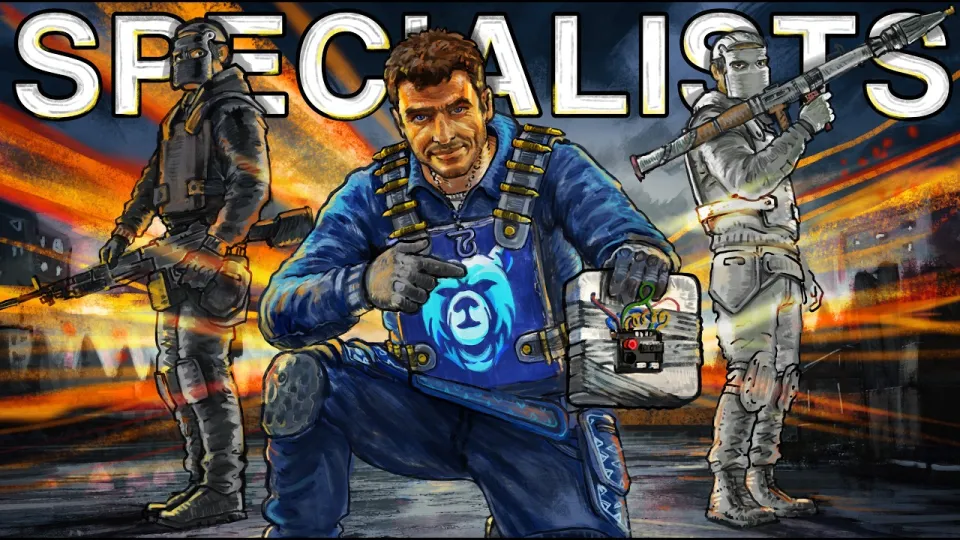
Video: How a 40,000-Hour Trio CONTROLS a SERVER - Rust
Need articles like this for your video? They help promote it on YouTube and Google — order them in the Telegram bot @sat_sit_bot. It writes articles around your video, embeds the video and publishes them on popular niche websites (no ads). Your first 50 articles are free.
· based on the channel Blooprint
Key takeaways
- Blooprint's trio stacks roughly 40,000 combined hours: Blooprint, Disfigure and Nine.
- The wipe ran on a 500+ population server, with the trio moving from a quiet start to dominating the map.
- The plan flipped fast: instead of building tall, the group pushed raids on every competing clan.
- Signature moments include an M2 and L9 roam, a horse-versus-Mini crash and a full wipe of incoming raiders.
- Control came from online pressure and tempo, not from a single mega-base or offline raiding.
A 40,000-hour Rust trio controls a server by converting mechanical skill and wipe experience into tempo: Blooprint, Disfigure and Nine start small, snowball through early fights, and then keep every rival group reacting instead of farming. In the Blooprint video "How a 40,000-Hour Trio CONTROLS a SERVER - Rust", that pattern turns a low-ambition fresh wipe on a 500+ population server into a full map takeover, with raids on the competition as the endgame. You can watch the sessions live and catch the next wipe as it happens on Blooprint's Twitch channel.
What "controlling a server" actually means in Rust
Controlling a server in Rust does not mean owning the biggest base; it means other groups plan their wipe around you. A trio with 40,000 combined hours does three things at once: it wins the early gear race, it keeps pressure on every neighbor, and it denies rivals the farm windows they need to answer back. On a 500+ pop server that pressure compounds, because every killed farmer and every broken raid costs the enemy a queue slot's worth of progress.
The Blooprint run follows that logic almost by accident. The wipe opened without grand plans, but early fights went well enough that the trio skipped the slow build-up phase and moved straight into aggression. That is the core of Rust server control: not a fortress, but a schedule that leaves opponents no safe hours.
The three pillars of a 40,000-hour trio
A trio in Rust is the smallest group that can still run every role at once, and 40,000 hours is enough to make those roles interchangeable. The formula behind the Blooprint, Disfigure and Nine lineup looks like this:
- Shared game sense. After thousands of hours, callouts, rotations and door discipline become automatic, so the trio never loses a fight to confusion.
- Resource efficiency. Every sulfur node, scrap run and component haul is spent on something that generates more advantage, usually weapons and raid tools rather than cosmetic base upgrades.
- Pressure management. The group decides which neighbors to fight, which to ignore and which to raid, keeping the number of active enemies small enough to handle.
That third point is what separates a strong trio from a dominant one. Anyone can win a gunfight; controlling a server means choosing fights that remove future threats before they organize.
From quiet start to map dominance
The wipe's arc is a textbook snowball: modest opening, fast gearing, then raids on everyone in reach. Blooprint's description sums it up plainly, saying the group found itself dominating the server in no time and was raiding all of the competition before long. In practice, that means the trio's progression curve bent upward early, and each successful fight fed the next one with guns, explosives and confidence.
Key markers of that phase in the video include:
- Roams with top-tier gear, including an M2 and an L9, which signaled to the rest of the server that the trio was ahead of the curve.
- A full defensive wipe of a raiding party, capped by Nine's deadpan line about a mouth full of chimichanga while the attackers were being cleared out.
- Online raids rather than offline ones, which is far riskier but far more damaging to a rival group's morale and rebuild time.
- A memorable horse-versus-Minocopter collision that turned a routine rotation into one of the funniest moments of the wipe.
Each of these is small on its own. Together they describe a group that was never forced onto the defensive long enough for enemies to recover.
Why gear fear loses to tempo
Gear fear is the single biggest brake on a Rust player's progress, and the trio's approach is the opposite: use the good kit or lose the wipe. Keeping an M2 in a box protects nothing, since a raid or a bad night can erase it anyway. Taking it out on a roam converts it into kills, information and map pressure, which is exactly what the Blooprint run does.
For a trio, this matters even more than for a zerg. Three players cannot out-farm a 10-man, so they have to out-tempo it: fight earlier, rotate faster, and force the bigger group to spend its numbers defending instead of farming. That is also why online raiding is the preferred tool. An offline raid removes loot; an online raid removes a group's willingness to contest the map.
The risks behind the highlight reel
Server control in Rust is fragile, and the same aggression that wins wipes also invites collapse. Three pressure points stand out in a run like this:
- Suspicious opponents. Viewers of the video flagged moments where previously passive players suddenly looked far sharper in fights, which is the classic sign of a group that was underestimated or, worse, playing with outside help.
- Raid retaliation. Every online raid creates an enemy with a grudge and a timer, so a trio must keep enough explosives and kits in reserve to defend the counter-raid.
- Burnout and queue. On a 500+ pop server, losing a base means rejoining a queue and losing hours, which punishes overextension more than it punishes caution.
The trio's answer is discipline: hit hard, but never empty the base of gear, and always keep a fallback box and a spawn plan.
Common questions from viewers of the wipe
The Blooprint video drew a crowd that includes plenty of people who have never installed Rust, and their questions are worth answering directly. Non-players often ask why a 40,000-hour group bothers with a fresh wipe at all; the answer is that early-wipe Rust is the only time skill gaps show up cleanly, before clans convert numbers into gear. Others wonder how three people raid groups of six or more; the answer is timing, online pressure and picking targets that are already fighting someone else.
A recurring theme in the comments is nostalgia for older trio lineups and for the era when Blooprint roamed with high-end gear every session. That reaction points at something real: viewers watch Rust content for the story arc, not the inventory. The wipe's tension comes from whether the trio can hold the map, and the answer is decided by tempo, not by loot tables.
Useful links
All official Blooprint channels and communities from the video, copied exactly:
- https://www.twitch.tv/blooprint — live streams and fresh wipes
- https://kick.com/blooprint — Kick stream
- https://www.tiktok.com/@blooprintgames — short clips
- https://twitter.com/blooprintgames — updates
- https://discord.gg/blooprint — community Discord
What the run proves about Rust in 2026
Controlling a Rust server with three players comes down to skill density, not headcount: 40,000 hours buys better decisions, faster rotations and the nerve to raid online instead of hiding. The Blooprint wipe shows that a trio can dominate a 500+ pop server when it treats every fight as a step toward the next one and never lets gear sit unused in a box. It also shows the cost, since the same aggression that wins the map draws suspicion, counter-raids and long nights. If you want to see the next version of that experiment live, follow Blooprint on Twitch and watch the wipe unfold from the first minute; the channel's edited stories, including this one from Blooprint, remain the best way to study how a trio actually runs a server.
Questions & answers
How can three players control a server with 500+ population in Rust?
By winning the early gear race and then spending that advantage on pressure instead of storage. A trio cannot out-farm large clans, so it raids online, picks targets already in fights, and keeps rivals rebuilding rather than farming. Skill density replaces numbers.
Is it worth roaming with an M2 or L9 as a trio in Rust?
Yes, if the goal is map control rather than safety. High-tier kits convert into kills, information and fear, and a stored weapon can still be lost to a raid. Roaming with top gear signals to the server that the group is ahead and willing to use it.
Why do viewers suspect other players of cheating in these wipes?
Because sudden shifts in skill are a classic red flag in Rust, and a dominant trio draws attention from every direction. Sometimes it is cheating, but often it is an underestimated group, a lucky wipe, or players who simply stopped farming and started fighting.
Do you need thousands of hours to enjoy Rust content or the game itself?
No. A large share of the audience has barely played Rust and still follows the wipe as a story with stakes, rivalries and reversals. Hours help a player execute, but the appeal of a run like this one is the narrative of a small group taking on a whole server.
Source: How a 40,000-Hour Trio CONTROLS a SERVER - Rust · Markdown version